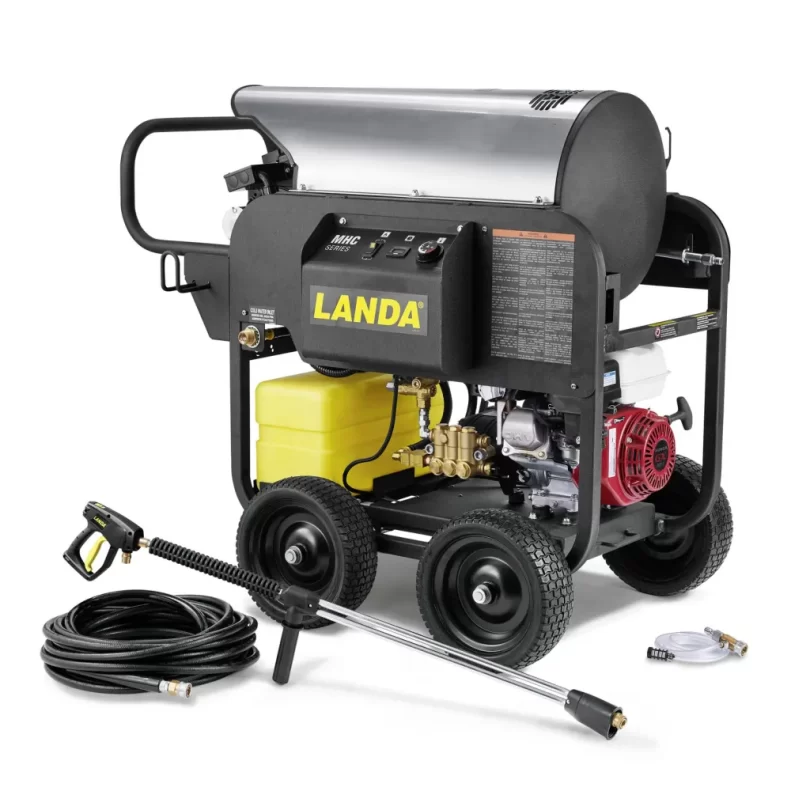

Across Canadian industrial facilities, construction sites, and agricultural operations, equipment accumulates grease, oil, and grime that cold water cannot remove effectively. Winter conditions add road salt and ice residues that accelerate corrosion. A hot water pressure washercombines high-pressure spray with heated water to break down petroleum-based residues efficiently. In fleet maintenance yards, food processing plants, and heavy equipment shops, this technology supports sanitation standards and equipment preservation.
Canadian winters present unique cleaning challenges. Cold water pressure washers lose effectiveness when ambient temperatures drop below freezing. Equipment stored outdoors during winter months develops layers of frozen mud, road salt, and ice that must be removed before maintenance can begin. Hot water systems maintain cleaning performance year-round, enabling maintenance crews to keep equipment operational regardless of season. The ability to heat water to 93 degrees Celsius allows operators to cut through frozen deposits that would otherwise require hours of thawing before manual removal.
A heavy equipment contractor in Alberta used a hot water pressure washer to remove frozen mud and road salt from haul trucks during winter maintenance. The heated water penetrated frozen deposits that cold water could not dissolve, reducing cleaning time per vehicle by sixty percent. The contractor also reported fewer corrosion-related repairs, as road salt was completely removed rather than simply rinsed off.
Technical Principles
The system operates on a straightforward principle: heat reduces the surface tension of water and melts petroleum-based soils. The diesel-fired burner heats water as it passes through a stainless steel-wrapped heating coil. A high-pressure pump then delivers the heated water through a hose and nozzle. The combination of heat and pressure emulsifies oils and lifts contaminants from surfaces without requiring aggressive chemical detergents.
The burner system is the key differentiator from cold water units. Diesel fuel combustion generates heat transferred to the water. A flame detector monitors the combustion process, shutting down the fuel pump if the flame is interrupted. This safety feature prevents unburned fuel accumulation that could create fire hazards. The burner is encased in durable stainless steel, protecting internal components from moisture and debris.
The gear drive triplex plunger pump operates at lower revolutions per minute than direct drive pumps. This design reduces internal wear, extends pump life, and provides smoother flow with less pressure fluctuation. The thermal relief valve protects the pump by diverting water when the temperature exceeds safe limits during bypass operation.
Efficiency and Productivity Benefits
Hot water cleans more effectively than cold water, reducing cleaning time per equipment unit. A fleet manager can process more vehicles per shift with hot water equipment. The diesel burner heats water to operating temperature within three minutes, minimizing warm-up delays between tasks. The 4000 pounds per square inch pressure cuts through heavy deposits, while the 4 gallons per minute flow rate rinses contaminants away rapidly.
The 245 gallon water tank enables self-contained operation at remote sites without hydrant access. A construction crew working on a pipeline project can clean equipment at the job site rather than returning to a central wash bay. This capability reduces transport time and keeps equipment on the job longer. The tank is constructed from polymer material that resists corrosion and impact damage, unlike steel tanks that can rust from the inside out.
For facilities cleaning multiple vehicles daily, reduced downtime for equipment repair directly improves maintenance productivity. The gear drive pump operates at lower revolutions per minute than direct drive pumps, extending pump life and reducing maintenance frequency. The dual LED lights enable cleaning operations during night shifts, maximizing equipment utilization.
The electric start system eliminates pull-cord effort in cold conditions. The included 12 volt battery powers the starter, with a recoil backup for reliability. The Oil Sentry system automatically shuts down the engine if oil level drops below safe range, preventing catastrophic engine failure.
Self-Contained Operation for Remote Sites
The skid-mounted design with integrated water tank eliminates dependence on external water sources. The 245 gallon tank provides approximately sixty minutes of continuous cleaning without refilling. Forklift slots and hoist eyelets allow the unit to be loaded onto service trucks for transport to remote locations. The compact footprint fits within the bed of a standard pickup truck.
Safety Features and Operational Protection
The integrated flame detector automatically shuts down the burner if combustion is interrupted. The Oil Sentry engine protection stops operation when oil level drops below safe range. The thermal relief valve prevents pump overheating during bypass operation when the trigger gun is closed.
Safe hot water pressure washer operation requires several key practices:
- Never direct spray at people or animals
- Allow heating coil to cool before servicing
- Operate only in well-ventilated areas
- Wear thermal gloves when handling hot components
- Engage trigger lock when not spraying
- Use only diesel fuel for burner operation
- Verify flame detector function before each use
Performance Factors and Maintenance Considerations
Several factors affect cleaning performance and equipment longevity. Incoming water temperature affects heating time; colder inlet water requires longer burner operation. Diesel fuel quality affects burner efficiency and can cause coking of the heating coil if poor quality fuel is used. Nozzle selection balances pressure and flow for specific cleaning tasks. The five included quick-couple nozzles provide a range of spray patterns from 0 degrees for concentrated cleaning to 40 degrees for rinsing large surfaces.
Regular maintenance preserves performance. The burner fuel filter requires periodic replacement. The pump oil needs changing according to the manufacturer’s schedule. The water inlet screen must be cleaned to prevent pump cavitation. The diesel fuel tank should be drained and refilled with fresh fuel before winter storage. The heating coil should be inspected annually for cracks or leaks.
Performance factors to consider include:
- Incoming water temperature affects heat-up time
- Diesel fuel quality impacts burner efficiency
- Nozzle size determines spray force pattern
- Water flow rate must match pump capacity
- Ambient temperature affects burner operation
- Hose length affects pressure at the nozzle
- Altitude affects engine and burner performance
Advantages
- Removes grease and oil faster than cold water
- Self-contained water tank for remote sites
- Diesel burner heats water to 93 degrees Celsius
- Electric start for reliable cold-weather starting
- Integrated safety features prevent accidents
- Dual LED lights enable night operation
Limitations
- Requires diesel fuel for burner operation
- Heavy unit needs forklift for loading
- Not for indoor use without ventilation
- Burner requires annual service
- Water tank requires refilling regularly
Industry Outlook
Hot water pressure washer technology continues evolving with improved burner efficiency and reduced emissions. Electronic ignition systems have replaced standing pilot lights, improving safety and fuel economy. As Canadian environmental regulations tighten, future units may incorporate exhaust after-treatment and more efficient heat exchangers. Telematics integration could allow remote monitoring of engine hours, burner cycles, and maintenance intervals. Some manufacturers are exploring hybrid systems that use electric heating elements for indoor operation while retaining diesel burners for outdoor use.
Facility managers responsible for equipment cleanliness should evaluate hot water systems for any operation where grease removal is critical. The combination of heat and pressure makes these machines essential for maintaining heavy equipment, fleet vehicles, and industrial machinery in optimal condition. As Canadian industries continue to operate in remote locations with extreme weather conditions, demand for self-contained, high-performance cleaning equipment will likely increase.