
Game discovery used to follow a fairly predictable path. A trailer appeared, a review landed on a website, a magazine preview built some early interest, and a store page did the rest. That system still exists, but the centre of gravity has shifted. Streaming culture changed the route between curiosity and attention. A game now reaches audiences through live reactions, clipped moments, spontaneous jokes, shared frustration, and that familiar phrase heard across the internet: “wait, what game is this?”
That shift matters because modern entertainment moves through visibility as much as promotion. Platforms linked to fast digital habits, including spaces such as spin fin casino, reflect the same wider pattern: interest grows faster when content feels immediate, social, and easy to access. Games follow that logic closely. A title no longer needs to rely only on traditional advertising. One stream, one clip, or one unexpected moment can push a game into public view far more effectively than a polished campaign.
Watching Became Part of the Discovery Process
Streaming changed discovery because it made gaming more observable. A trailer shows what a publisher wants to present. A live stream shows what happens when a real session begins. Menus look clumsy or smooth. Combat feels chaotic or satisfying. Dialogue sounds sharp or awkward. The audience does not get a carefully trimmed version. The audience gets the actual rhythm of the play, with all the pauses, mistakes, surprises, and rough edges included.
That difference is huge. A stream turns a game from a product into an event. A viewer can see whether the pace feels exciting, whether the mechanics hold attention, and whether the world creates stories worth following. In older discovery models, much of that had to be imagined from screenshots and short summaries. Streaming removed some of that distance.
Streaming also added trust, or at least a different kind of trust. A visible reaction feels more honest than a neatly edited advert. Even a negative reaction can help a game become visible. A confused laugh, a sudden failure, or a bizarre in-game moment can travel faster than any official post.
Visibility Now Works Through Personality
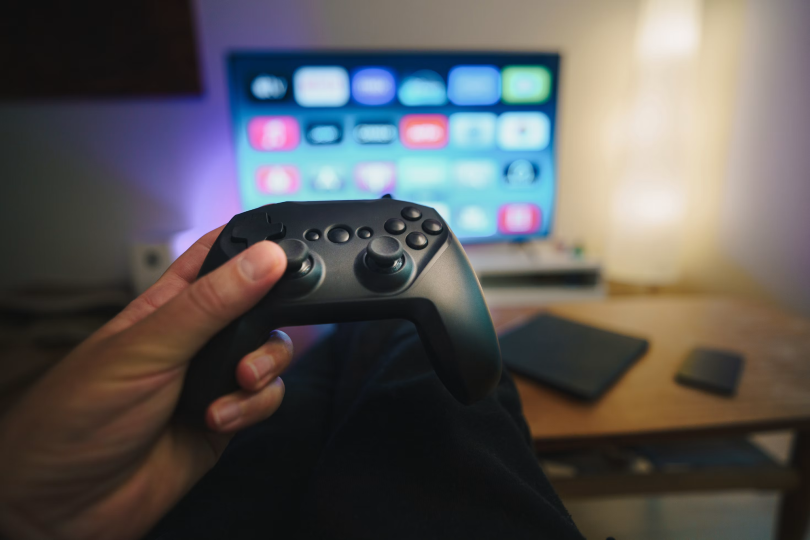
One major change came from the people holding the controller. Discovery no longer depends only on the game. It also depends on the personality presenting it. A streamer can make a quiet indie game look irresistible, or make a big-budget release feel flat in under twenty minutes. Tone matters. Timing matters. Community energy matters.
This is one reason streaming culture changed game discovery so deeply. Games are no longer found only through direct marketing. Games are found through context. A horror title becomes funnier or scarier depending on the audience around it. A strategy game can look intimidating in a trailer and surprisingly inviting on stream. A chaotic multiplayer session can create instant curiosity because the social energy does half the work.
Why Streams Turn Casual Interest Into Real Attention
- Live reactions make gameplay feel less scripted
- Streamer personality adds context and entertainment value
- Chat creates a sense of shared discovery
- Unexpected in-game moments travel quickly as clips
- Audiences can judge pacing, style, and tone in real time
- Smaller games gain exposure without giant marketing budgets
That list explains why discovery feels different now. The game still matters, of course, but the route into public attention has become less formal and much more human.
Discovery Became More Social Than Editorial
Traditional editorial coverage still matters, especially for larger releases and serious analysis. Still, streaming made discovery feel more social and less top-down. Instead of waiting for a critic or campaign to explain why a game deserves attention, audiences now see friends, creators, and communities reacting in real time.
That social layer changes how value is judged. A game may look imperfect on paper and still become hugely attractive because the stream experience feels alive. Another title may look polished in marketing and then fade because live sessions feel dull after the opening hour. Streaming is brutally good at exposing boredom. No amount of dramatic artwork can hide weak pacing once the camera stays on for two straight hours.
What Streaming Culture Changed in Game Discovery
- Discovery became faster and less dependent on formal reviews
- Community reaction started shaping a game’s image early
- Word of mouth turned visual and immediate
- Clips began driving attention before store pages did
- Smaller creators gained power in shaping public curiosity
- Replay value became easier to notice from the outside
That is a major industry change, not a side effect. Discovery now depends on visibility inside living communities, not only on planned promotion.
Games Are Now Found Through Shared Experience
Streaming culture changed game discovery because it made games easier to witness, easier to talk about, and easier to judge from real play instead of polished promises. A stream can show tension, humour, confusion, boredom, brilliance, or total disaster in a way no static campaign can match. That honesty, messy as it sometimes looks, is powerful.
In the end, games are now discovered through shared experience as much as through advertising. A title catches attention because a creator reacted at the right moment, a chat exploded, a clip spread, or a community kept returning. Streaming did not just add another marketing channel. Streaming changed the path itself. That is why game discovery now feels faster, more social, and much less controlled than before.