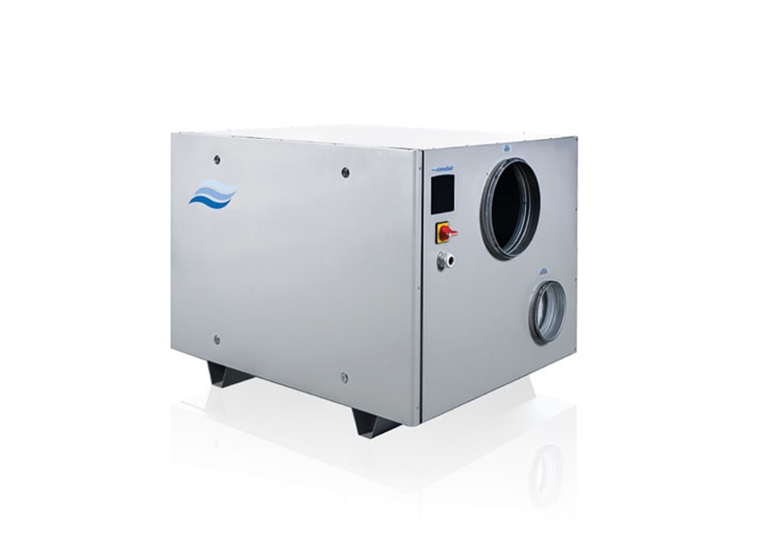

Across the United States, excess moisture is one of the most damaging and costly problems a building can face, from flooded basements and water-damaged job sites to humid warehouses, indoor pools, and storage facilities. A high-capacity commercial dehumidifier is the tool professionals rely on to pull that moisture out of the air quickly, protecting structures, equipment, and inventory and keeping projects on schedule. Understanding how a commercial dehumidifier works, and what separates a capable unit from an underpowered one, helps contractors and facility managers choose the right machine for the job.
Why Moisture Control Matters
Uncontrolled humidity does far more than make a space feel uncomfortable. Damp air feeds mold and mildew, warps wood and drywall, rusts metal, and ruins stored goods, and once a problem takes hold the cost of repair climbs quickly. In water damage restoration, the speed at which moisture is removed often decides whether materials can be saved or must be torn out and replaced. A commercial dehumidifier addresses the root cause by drawing water vapor out of the air, lowering the humidity to a safe level before damage can spread.
How a Commercial Dehumidifier Works
The principle behind most commercial dehumidifiers is refrigeration. A fan draws moist air across a cold coil, where the water vapor condenses into liquid, much as droplets form on a cold glass on a hot day. The collected water drains away, and the now-drier air is reheated slightly and returned to the room. By cycling the air through again and again, the dehumidifier steadily lowers the humidity. A large unit rated for many pints of water per day can keep pace with the heavy moisture loads found on flooded job sites and in large, damp spaces, where a small household unit would be quickly overwhelmed.
Capacity and Coverage
The single most important factor in choosing a commercial dehumidifier is capacity, usually described by the pints of water the unit can remove in a day. A higher capacity unit dries a space faster and handles wetter conditions, which is exactly what restoration and construction work demand. Buyers should match the capacity and the airflow to the size and dampness of the spaces they treat:
- Pints-per-day capacity, so the unit keeps pace with the moisture load of the job.
- Airflow, which determines how quickly the machine circulates and dries the air in a space.
- Area coverage, matched to the square footage and ceiling height being treated.
- Drainage options, so collected water can be pumped or routed away for continuous operation.
Durability and Portability
A commercial dehumidifier earns its keep on demanding sites, so it must be tough and easy to move. A rugged housing protects the machine as it is hauled between basements, job sites, and facilities, while sturdy wheels and handles let one person reposition it. Because these units often run for days at a time, build quality and a reliable compressor are central to their value, since downtime on a restoration job is costly. A machine that starts easily, runs continuously, and tolerates rough handling is the one professionals come to depend on.
Key Factors Buyers Should Weigh
Beyond raw capacity, a few practical points shape a sound purchase. Continuous drainage with an onboard pump lets a unit run unattended without a tank to empty, which is essential for overnight drying. Energy efficiency matters because these machines run long hours, so a unit that removes more water per unit of power lowers operating costs over time. Simple, durable controls keep operation straightforward for any crew member, and easy access for cleaning the coil and filter keeps performance high. Weighing these factors alongside price reveals the true cost over the life of the machine.
Where Commercial Dehumidifiers Are Used
The range of uses is wide. Water damage restoration contractors deploy them after floods, burst pipes, and storms to dry out structures before mold sets in. Builders use them to dry fresh concrete, plaster, and paint so a project can move forward on schedule. Facility managers run them in warehouses, basements, and storage areas to protect inventory from damp, and in indoor pools and gyms to control the humidity that would otherwise corrode equipment and damage finishes. In each case, the same principle applies: removing moisture quickly protects valuable assets and keeps a space safe and usable.
Sizing a Unit to the Job
Getting the most from a commercial dehumidifier starts with sizing it correctly. A unit that is too small will run constantly yet never catch up, while one matched to the space dries it efficiently and then maintains a stable, safe humidity. Professionals consider the square footage, the ceiling height, how wet the space is, and the temperature, since cooler air holds less moisture and changes how the machine performs. On large restoration jobs, several units are often run together to dry a structure within the tight window before damage spreads. Pairing dehumidifiers with air movers, which keep air circulating across wet surfaces, speeds the whole process and is standard practice in the restoration trade.
Maintenance That Protects Performance
Because these machines run long hours in dusty, demanding conditions, simple maintenance keeps them dependable. Cleaning the air filter regularly preserves airflow and efficiency, while keeping the coil clear lets it condense moisture at full capacity. Checking the drain line and pump prevents the backups that would shut a unit down overnight, and storing the machine clean and dry between jobs protects the compressor. A dehumidifier cared for this way holds its capacity for years, which is exactly what a contractor relying on it day after day needs.
Conclusion
A commercial dehumidifier is an essential tool wherever moisture threatens a building or its contents, drawing water out of the air fast enough to prevent the mold, rot, and corrosion that damp causes. Its capacity, durability, and continuous operation are what set a professional machine apart from a household unit, and matching those to the job is the key to fast, reliable results. Contractors and facility managers who invest in a dependable dehumidifier from an established industrial equipment supplier gain a machine that protects their projects and their property for many years.